

By Ejiroghene Barrett
Searching for solutions in the face of rising insecurity across Africa, the Nigerian government hosted a two-day high-level counter-terrorism summit held in the country’s capital, Abuja. The summit was well-attended by African leaders, United Nations Officials and several stakeholders from around the world.
The summit, organised with the support of the United Nations Office of Counter-Terrorism (UNOCT) with the theme: ‘Strengthening Regional Cooperation and Institution Building to Address the Evolving Threat of Terrorism’ is aimed at enhancing multilateral counter-terrorism cooperation and reshaping the international community’s collective response to terrorism in Africa.
With the consistent threat posed by terrorism on the continent, especially the spiralling attacks against communities in West Africa, the summit served as an important platform for African leaders for the first time to review the threat and draw up strategies to eradicate it.
With over 7,000 casualties among civilian populations in 2023 alone, and an alarming 190.8% surge in losses in security personnel, amounting to over 4,000 fatalities, as reported by the Centre for the Study and Research on Terrorism (ACSRT) of the African Union in Algiers, the dangers posed by terrorism have placed a huge burden on governments across the continent struggling to find an effective approach to address the situation. African leaders say the fight would also require extensive cooperation between states.
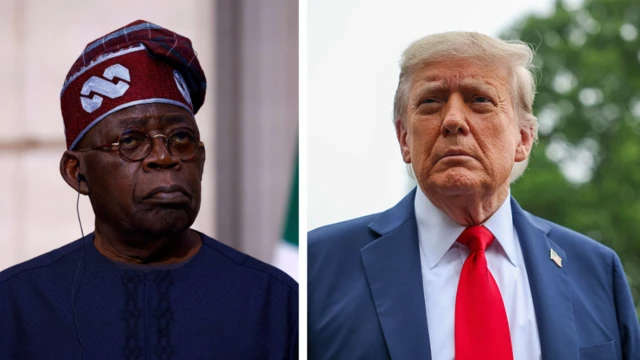
“Terrorism snaps at the very fabric of the prosperous and just society we seek to build for ourselves and our children,” Nigerian President Bola Tinubu said during remarks at the two-day summit. “This violent threat seeks to frighten the farmer from his field, children from their schools, women from the marketplace and families from their very homes. We must therefore fight this threat together, combining determined national effort with well-tailored and regional and international collaboration.”
Backing Tinubu’s position, Ghanaian President Nana Akufo-Addo said fighting terrorism would require coordination across borders. “The evolving nature of terrorism demands a dynamic and coordinated response that transcends national borders and individual efforts,” he said.
Akufo-Addo added that “these groups are exploiting grievances, vulnerabilities and are manipulating ideologies to spread fear, division and chaos. We recognise the urgent need to combat this menace that continues to threaten the peace, security and development of our continent.”
For more than a decade, Nigeria has struggled to stem the violence by Boko Haram and its splinter, ISWAP in the northeast. More recently, armed gangs known as bandits have added a new dimension to insecurity in Nigeria, posing serious threat to life in many rural communities across the North of the country.
Several reports have said that the threat of terrorism in Africa is exacerbated by the illicit arms trade, unemployment, poverty, inadequate policing, marginalisation and political instability. These factors were clearly identified as major obstacles in winning the counterinsurgency war.
In his remarks, Nigeria’s security adviser Nuhu Ribadu said these factors need to be addressed.
“Effective strategies require comprehensive approaches that address these drivers, promotes socioeconomic development, enhance governance, resolve conflict and strengthen regional and international cooperation,” Ribadu said.
A new approach to funding
Getting the funds to do this has been a major hurdle. Authorities hope to change the narrative for the better. Vladimir Voronkov, undersecretary-general of the UNOCT, stressed the important role African regional organisations have in effectively countering terrorism.
“The success of the United Nations in Africa hinges on our commitment to support Africa-led solutions to African challenges,” Voronkov said. “We recognise no single actor can resolve today’s threats to peace and security. Instead we need multiple actors working together with solutions grounded with strong national ownership and support of bi-funding partners.”
Discussions included calls for a new model of financing the fight against terrorism, greater involvement of African institutions and Civil Society actors. African Union (AU) President, Moussa Faki Mahamat, called for support for those national institutions and the Civil society, youths and women, in particular, to play their irreplaceable role in fighting against terrorism and violent extremism.
ECOWAS was commended by Mahamat for “its recent decisive action to accelerate the deployment of the ECOWAS Standby Force in areas impacted by terrorism,” which he said will “provide the much-needed support to communities affected by Terrorism and help to enhance Regional security.”
All parties agreed that prioritising collaborative initiatives and supporting reconstruction, disengagement, reintegration, and reconciliation efforts would address the root causes of Terrorism and promote sustainable peace and security.
Sidelining the Sahel states
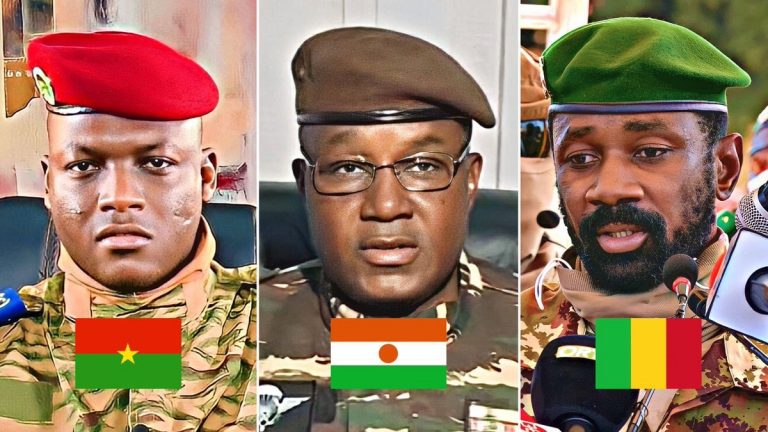
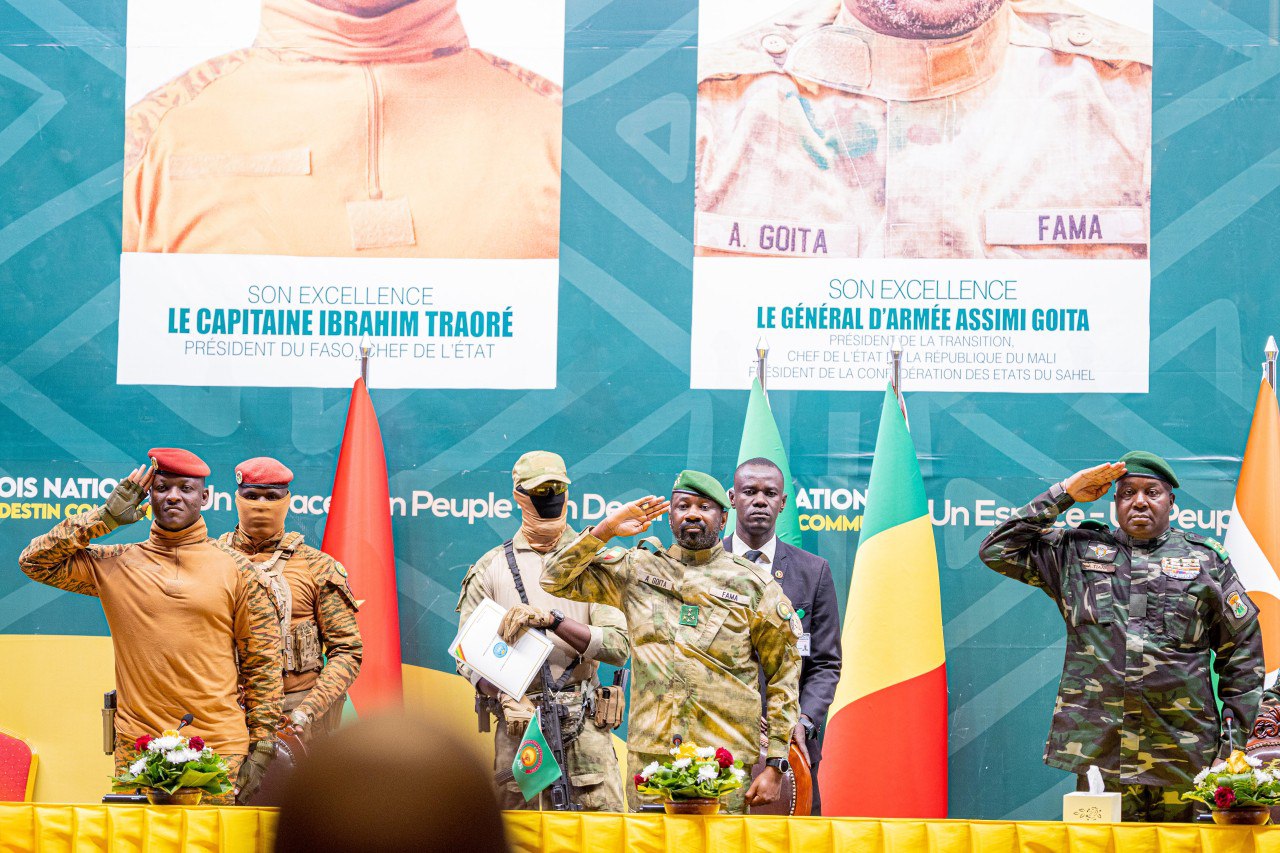
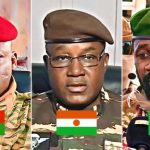
The absence of Niger, Mali and Burkina Faso from the summit due to coup-related sanctions imposed by ECOWAS and the African Union has also highlighted a major limitation in the discussions during the summit as these states are major theatres of Islamist insurgency on the continent.
In the Sahel, the challenge of insurgency has been further exacerbated by the limited resources of the states to deal with the challenges. There is an even greater obstacle, analysts say, when counter-terrorism efforts are stalled by what the military leadership in the Sahelian states have described as the active support given to these groups by some state actors.
Recently, a diplomatic spat between the Malian military junta and the government of Algeria emerged after Mali accused the Algerian government of actively engaging rebel groups that were in conflict with the Malian government.
In 2023, the Nigerièn military junta accused France of support for terrorist groups operating in the west African state. “It is impossible to put out a fire using gasoline…,” the Nigerièn military leader, Abdourahamane Tiani, was quoted as saying, adding that “the blaze of terrorism is fuelled by France’s support.”
The government also claimed that France released a number of jihadists, who then gathered to plan an attack on “military positions in the tri-border area,” a hotspot region where the frontiers of Niger, Burkina Faso and Mali converge.
Some security experts who followed the events at the summit say the theme was more centred around the setbacks of governments in the fight against terrorism rather than recognising the successes recorded by these states.
A joint military operation involving troops from Mali, Burkina Faso, and Niger successfully killed a renowned Islamic State (IS) commander, Abu Huzeifa, recently, who had a $5 million US bounty on his head. The operation took place in the tri-border region between the three Sahel countries, specifically in the Malian region of Menaka.
Huzeifa, a member of the Islamic State’s Sahel Province affiliate, was responsible for several high-profile militant attacks, including one in 2017 that resulted in the deaths of four US soldiers and multiple Nigerien troops
Several military operations by the armed forces of the three states have also resulted in the recapture of several towns and cities held by Tuareg rebels and insurgents. By far one of the biggest successes recorded was the recapture of the strategic Malian town of Kidal, which had been under the control of both Tuareg and Islamist fighters for over five years.
The recapture of Kidal turned the spotlight on the limited success recorded by the UN peacekeeping mission in Mali, United Nations Multidimensional Integrated Stabilization Mission in Mali (MINUSMA), in its 10-year mission as its presence in Kidal had been marked by what the Malian military junta described as a “failure to adapt to evolving security dynamics and its limited success in protecting civilians and facilitating the political process.”
Mahamat also hinted at some of the UN’s lapses, noting that it was hard to understand how “UN Missions continue to absorb, every year, billions of Dollars, producing very modest results and that African States are not granted a minimum of resources to counter the tragic spread of Terrorism.”
Some security analysts believe that, with the achievements recorded by the Sahelian military juntas and the challenges still faced by them in fighting insurgency, sidelining one of the regions most prone to terrorism on the continent, in a conference that is aimed at addressing that very issue, is a serious setback for counter-terrorism efforts.
The decision becomes even more ambiguous in light of Mahamat’s acknowledgement of the need “for coordinated efforts at Regional and Continental levels” and the urgency of “an all-encompassing Continental Strategic Plan of Action to effectively fight against Terrorism across Africa.”
It is impossible to address these challenges without the involvement of the Sahelian states, security experts insist, noting that the first step towards meeting the goals set out in the summit would be reconciliation between the three states and the regional organisations.