
Abuja, Nigeria
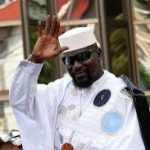
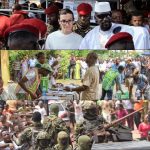
Abuja, Nigeria West African heads of state gathered in Abuja for the 68th Ordinary Session of the ECOWAS Authority of Heads of State and Government, chaired by Sierra Leone’s President Julius Maada Bio.
The summit, held at the State House Conference Centre and hosted by Nigeria, follows the 95th Ordinary Session of the ECOWAS Council of Ministers, which held from December 10 to 12, where ministers reaffirmed commitments to regional unity, peace, security, and economic integration.
In his opening address, President Bio highlighted the rise in unconstitutional government changes as a major threat to regional stability and reaffirmed ECOWAS’s commitment to democratic governance.
He called for urgent progress in establishing the ECOWAS Single Market, improving the Trade Liberalisation Scheme, and strengthening cross-border infrastructure.
Bio also announced a major measure to abolish air transport taxes and reduce passenger and security charges by 25%, effective 1 January 2026. The decision is aimed at lowering air travel costs across West Africa.
Bio had arrived earlier in the week, emphasising “constructive deliberations on urgent challenges,” signalling a high-stakes agenda as the region confronts escalating instability.
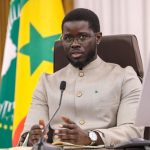
Prominent arrivals included Ghana’s president, John Dramani Mahama, endorsed by the Council as ECOWAS’s sole candidate for African Union Commission chair in 2027. Togo’s President of the Council of Ministers, Faure Gnassingbé, Gambia’s Adama Barrow and Senegal’s Bassirou Diomaye Faye were also in attendance.
In a significant institutional decision, the summit designated Senegal to hold the Presidency of the ECOWAS Commission for the period 2026-2030. This move is seen as a boost to Senegal’s diplomatic influence and a commitment to strengthening the bloc’s leadership amid ongoing reforms.
Senegal expressed profound gratitude for the trust placed in it and reaffirmed its dedication to consolidating ECOWAS while promoting peace, stability, and prosperity in the region.
Ahead of the summit, Nigeria’s minister of Defence, General Christopher Musa (Rtd), received Togo’s president, Jean-Lucien Savi de Tové, on 14 December, with discussions focusing on regional security challenges and multilateral cooperation among ECOWAS states.
The session featured a special debate on ECOWAS’s future, the 2025 Community State Report, trade liberalisation reviews, and briefings on security and mediation efforts.
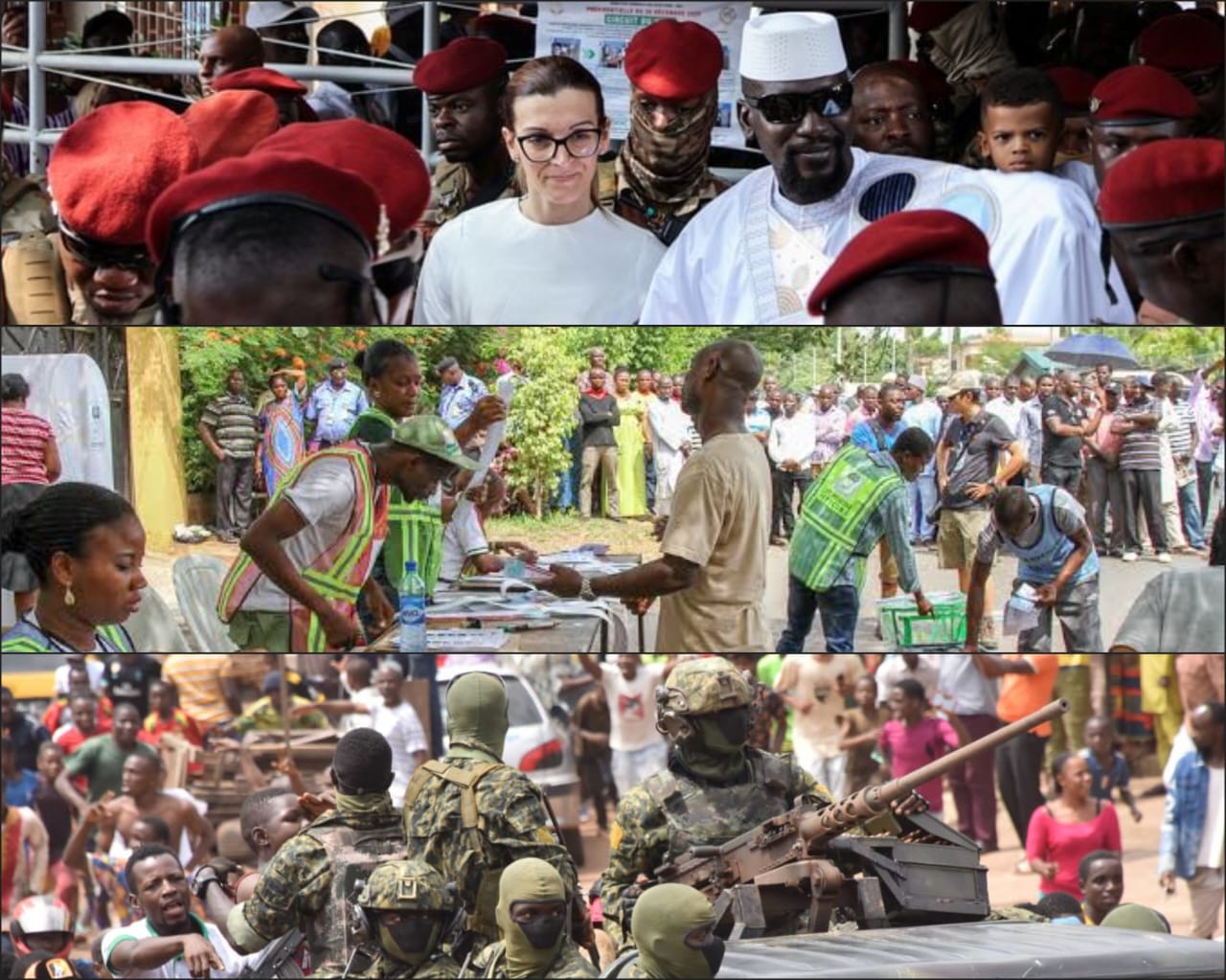
Central to discussions are recent crises in Guinea-Bissau and Benin, which have tested ECOWAS’s resolve against democratic decline. In Guinea-Bissau, the November 26 military coup ousted President Umaro Sissoco Embaló after disputed elections, prompting ECOWAS’ threat of targeted sanctions and an emergency delegation visit.
The African Union condemned the putsch, urging a swift return to civilian rule. Benin’s turmoil unfolded on December 7, when a group of soldiers stormed the state broadcaster, declaring President Patrice Talon’s ouster.
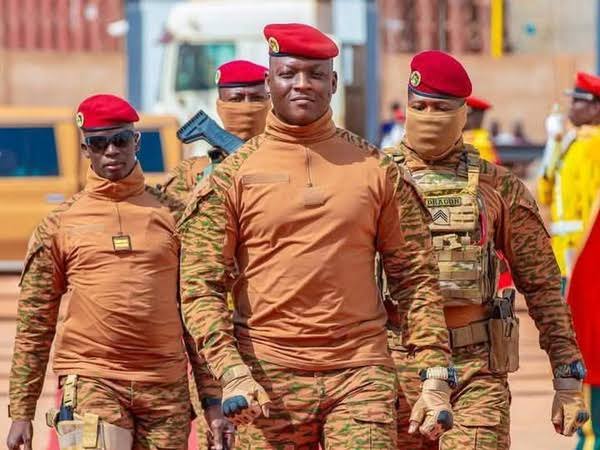
The attempt was swiftly foiled by loyalist forces, backed by Nigerian air support and rapid regional mobilisation, indicating a rare proactive push against military intervention. The summit arrives at a crossroads for ECOWAS, which has suspended several members since 2020 following coups in the Sahel.
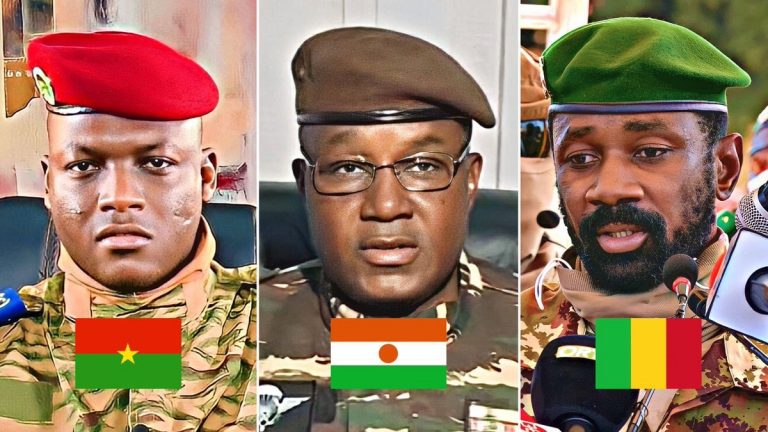
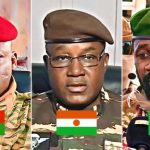
The bloc’s “zero tolerance” stance, which is expressed through sanctions and mediation, faces scrutiny as juntas in Mali, Burkina Faso, and Niger form alliances, eroding integration. Guinea-Bissau’s narco-fuelled instability and Benin’s near-miss expose hybrid threats, such as electoral disputes intertwined with jihadist incursions and resource conflicts.
Collaborative wins like Benin’s foiled coup, with Nigeria’s decisive role, boost ECOWAS’s deterrence. Leaders may push for expanded peacekeeping through the Standby Force and economic incentives to pre-empt unrest.
Regional observers say Mahama’s AU bid could infuse fresh diplomatic vigour, prioritising youth employment and trade to counter extremism.
The summit could redefine ECOWAS. Some analysts say it could shift from reactive sanctions to proactive stabilisation. Failure risks further fragmentation, and success might reclaim West Africa’s democratic beacon.