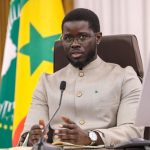
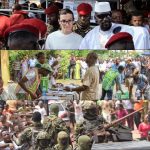

Senegal’s Prime Minister, Ousmane Sonko
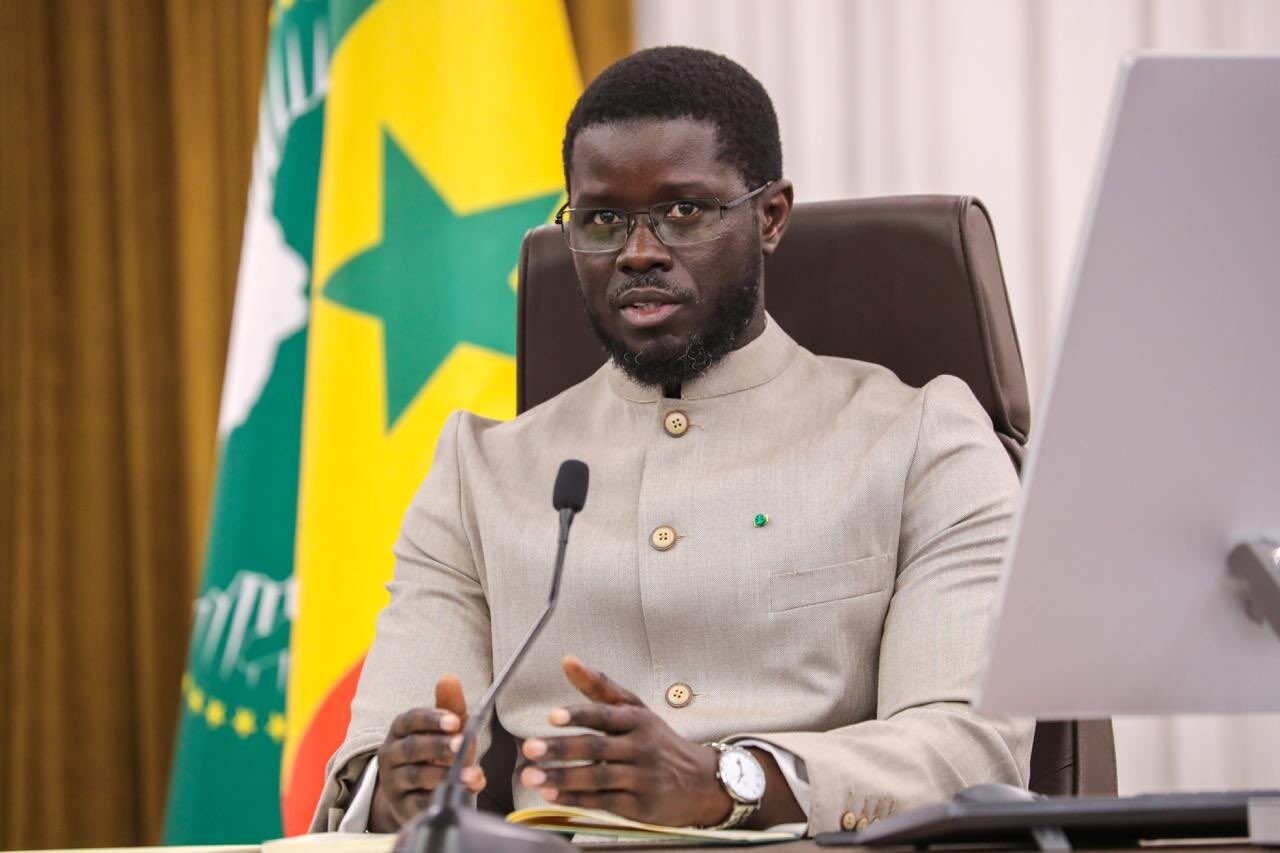
Senegal’s Prime Minister, Ousmane Sonko, has declined an invitation to attend the 11th edition of the Bpifrance Inno Génération (BIG) event in Paris, a significant gathering of global business and innovation leaders.
The decision, announced earlier this week, has sparked discussions across Senegal and beyond, with reputable Senegalese online platforms shedding light on the possible reasons behind this momove.
The official stance emphasises a scheduling conflict, but deeper political and ideological currents appear to be at play. According to a detailed report by the Senegalese online news platform, SeneNews on September 4, Sonko expressed gratitude to Bpifrance for the invitation, which was extended via a letter dated July 22.
However, the Prime Minister cited an already packed agenda, including an official visit to the United Arab Emirates from September 8 to 12, followed by a trip to Italy on September 13 and 14. The communiqué further noted that Sonko plans to host his French counterpart in Dakar at a mutually convenient time, signalling a preference for diplomacy on Senegalese soil.
Analysts suggest that this decision corresponds with Sonko’s well-documented pan-Africanist and sovereigntist ideology, which has been a pillar of his political career since rising to prominence as a whistle-blower on tax evasion in 2016, a role that led to his dismissal from the tax authority.
Reports highlight that Sonko’s government, alongside President Bassirou Diomaye Faye, has been vocal about redefining Senegal’s relationship with its former colonial power, France. This includes the joint commission established in February with France to oversee the withdrawal of French military personnel and the restitution of bases by year-end, a move rooted in Faye’s 2024 election promises and Sonko’s longstanding critiques of neo-colonial influences.
The cancellation also comes amidst heightened scrutiny of France-Senegal ties, particularly following the November 2024 request to close French military bases, a decision framed by several reports as a response to public sentiment and historical grievances, including the Thiaroye massacre acknowledgment by French president, Emmanuel Macron.
Some commentators have suggested that Sonko’s choice to prioritise visits to the UAE and Italy, countries offering economic partnerships without the colonial baggage, may reflect a strategic pivot toward diversifying Senegal’s international alliances.
The Senegalese public has responded with Some viewing the decision as a bold assertion of independence. Others, including pro-French voices, see it as a missed opportunity to strengthen economic ties. The office of the prime minister has clarified that this is not a rejection of France but a pragmatic adjustment, with plans for future bilateral engagements.
As Senegal navigates this diplomatic recalibration, all eyes remain on how Sonko’s leadership will achieved its set objectives at strengthening Senegal’s sovereignty and its global standing in the years ahead.