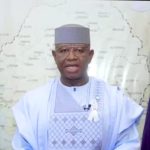

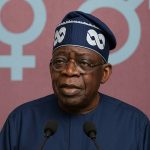


Sierra Leone’s president, Julius Maada Bio, delivered a moving national address on the commencement of Sierra Leone’s inaugural National Day of Remembrance on 18 January, the speech invoked the scars of the country’s 1991-2002 civil war and urged unity and forgiveness, just as it called for vigilance against division.
Delivered 24 years after the conflict’s official end, the speech fulfilled a long-delayed recommendation from the Truth and Reconciliation Commission (TRC), transforming the date into an annual observance of reflection rather than a public holiday.
Bio’s oration, accompanied by a two-minute silence at noon across the country, struck a deeply personal tone. As a former soldier who served during the war and lost family members in his hometown of Bonthe district, he positioned himself not merely as head of state but as a fellow citizen bearing the conflict’s burdens.
“I speak as a former soldier… and as a son, brother, father, and friend who also lost loved ones to the violence,” he said, lending authenticity to his narrative. This rhetorical strategy, which blended a personal narrative with collective memory, humanises the presidency and bridges the gap between leader and populace.
At its core, the speech catalogued the war’s horrors with unflinching detail. There were over 50,000 deaths, deliberate amputations to sow terror, sexual violence, village burnings and the displacement of millions. Bio emphasised the indiscriminate nature of conflict, “It does not ask who you voted for, where you come from or what faith you profess,” to underscore its universal toll.
This was no mere lament. It moved on to themes of accountability and healing. Acknowledging that “Sierra Leoneans hurt other Sierra Leoneans,” he called for forgiveness without erasure, asking it “on behalf of our nation and our leaders, past and present.” This gesture, while symbolic, expressed transitional justice principles, and echoed the TRC’s mandate to document atrocities and foster reconciliation.
Critically, Bio extended remembrance beyond nostalgia and presented it as a tool for prevention. He warned that war begins “not with bullets” but with eroded citizenship, hatred fuelled by politics, lies supplanting truth, and normalised intimidation. In a nod to contemporary threats, he highlighted social media’s role in amplifying division, “A lie can travel faster than a correction.”
He urged responsible online discourse without advocating censorship. “Democracy needs criticism… but it also needs responsibility,” he stated, a balanced appeal that resonates in an era of digital polarisation.
This forward-looking element distinguishes the speech, positioning remembrance as active citizenship education, with planned annual activities, including civic festivals, interfaith prayers and storytelling, during a week of observance.
The address also bridged generational divides. It spoke to the country’s youth who “did not witness the most brutal parts” of the war. Bio implored them to inherit peace as a “duty,” rejecting “politics of hatred and shortcuts” while encouraging entrepreneurship and community service.
For survivors, including former child soldiers now adults, he affirmed national responsibility for their dignity. Tributes flowed to peace architects. The late President Ahmad Tejan Kabbah, international forces, women who sustained communities, journalists, diaspora advocates and those who disarmed were all honoured. Bio’s own role in the 1996 Abidjan Peace Accord added introspection: “The work of peace is never in vain.”
In historical context, the timing raises questions. Why implement the TRC recommendation now, after two decades? Some say Bio’s administration may see this as bolstering legitimacy through national healing. Sierra Leone has achieved relative stability post-war, aided by UN peacekeeping and economic reforms, but challenges persist. Poverty, youth unemployment and ethnic tensions that fuelled the conflict remain.
Critics, including opposition voices, argue the day risks superficiality, questioning why Bio’s government, accused by the opposition of suppressing dissent, now champions dialogue. Others have praised it as a step towards consolidating peace, urging broader participation.
Reactions from several quarters reflect mixed sentiments. Some commentaries highlight the nationwide pause and Bio’s call to “confront difficult truths.” Government-aligned outlets laud the white ribbon campaign as a symbol of unity, while some independent voices call for tangible actions, such as reparations for victims or addressing corruption to prevent relapse.
Ultimately, Bio’s speech, which concluded with a prayer for wisdom and a pledge to strengthen institutions, embodies aspirational leadership. It reframes peace as a “choice” earned through sacrifice, not imposition.
If matched by policy, some say, it could fortify Sierra Leone’s democracy. Otherwise, it risks becoming another layer of symbolism in a country still healing. As Bio intoned, “We remember so that those who died did not die in vain.”