

Togo has extradited Burkina Faso’s former military ruler, Paul-Henri Sandaogo Damiba, to face charges in his home country. Analysts say the move, confirmed by Togolese authorities on 20 January 2026, demonstrates emerging cooperation among West African states to address threats posed by exiled opponents seeking to disrupt sovereign governments.
Damiba was arrested in Lomé on 16 January 2026, following an extradition request from Burkina Faso dated 12 January. He was handed over the next day, after Togo’s Court of Appeal approved the transfer. Burkina Faso provided assurances of Damiba’s physical safety, dignity and right to a fair trial, with no risk of the death penalty.
The decision was based on reciprocity between the two countries, allowing for mutual support in judicial matters.
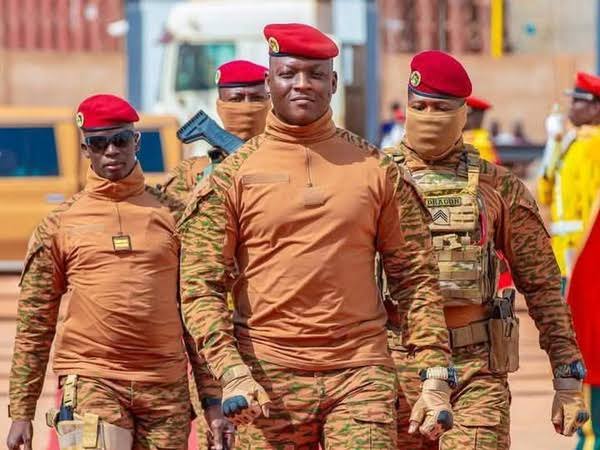
Damiba led Burkina Faso briefly after seizing power in a January 2022 coup against elected president, Roch Marc Christian Kaboré. He cited the government’s inability to control jihadist violence as justification. However, his rule ended in September 2022 when Captain Ibrahim Traoré overthrew him, making similar accusations of security failures.
Since fleeing to Togo, Damiba has been accused multiple times of plotting against Traoré’s administration. The latest claims emerged earlier in January 2026, when Burkina Faso said it foiled a coup involving assassinations of key officials, attacks on a drone base and efforts to incite foreign intervention. Authorities alleged Damiba orchestrated the plan, with funding links to Côte d’Ivoire, a charge Abidjan rejected.
In Burkina Faso, Damiba now faces charges of embezzling public funds, illicit enrichment, corruption, money laundering and incitement to crimes.
Security minister, Mahamadou Sana, described the alleged plot as an attempt to destabilise the state, backed by confessions from detainees. No response from Damiba has been reported, and attempts to contact him were unsuccessful.
Some regional political commentators say the extradition reflects a practical step in West African cooperation to neutralise threats from political exiles. Togo, long a refuge for ousted leaders, acted swiftly on Burkina Faso’s request, highlighting a shared interest in preventing cross-border disruptions. Such actions help sovereign states maintain internal order amidst regional challenges like insurgencies.
Analysts note that reciprocity clauses in extradition agreements foster trust, enabling governments to address opponents operating from abroad without escalating conflicts.
Public sentiment in Burkina Faso seems to welcome Damiba’s return, with many calling it a victory for accountability. Some pundits have expressed hope that the case would encourage similar collaborations across West Africa, where military takeovers have occurred nine times since 2020. By extraditing Damiba, some analysts say, Togo signals commitment to regional stability, helping states counter plots that undermine governance.
However, concerns linger over fair trials in junta-led systems, with human rights groups urging oversight. This development could set a precedent for handling exiled figures accused of subversion, promoting orderly political processes.