


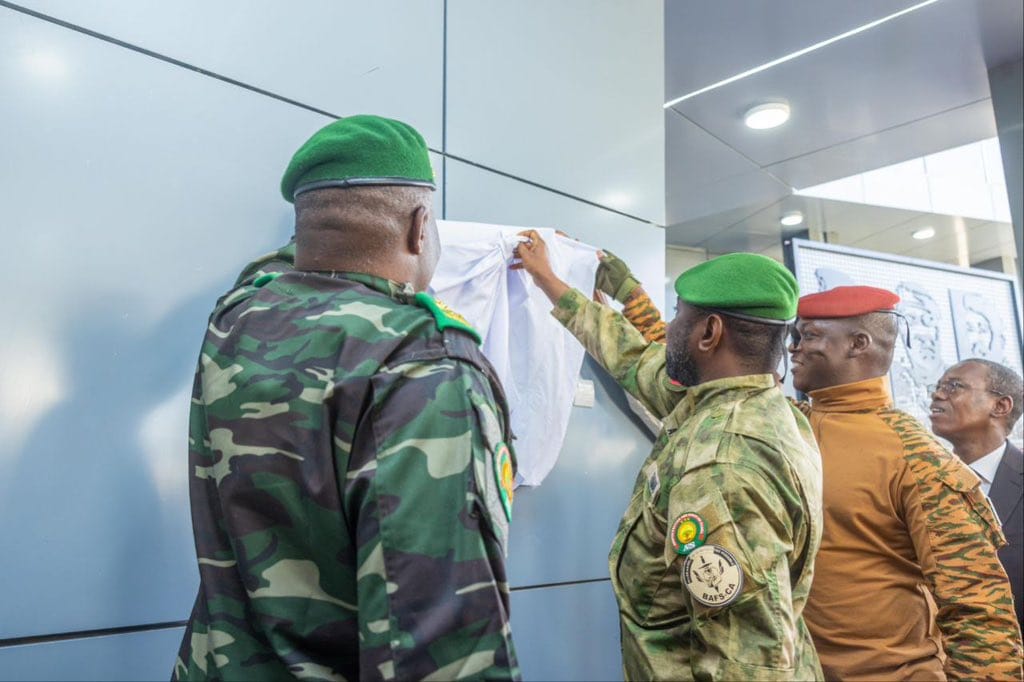
The leaders of Mali, Burkina Faso and Niger have inaugurated a new regional development bank and a joint television broadcaster during the second session of its college of Heads of State in Bamako, underscoring their drive towards economic and informational self-reliance.
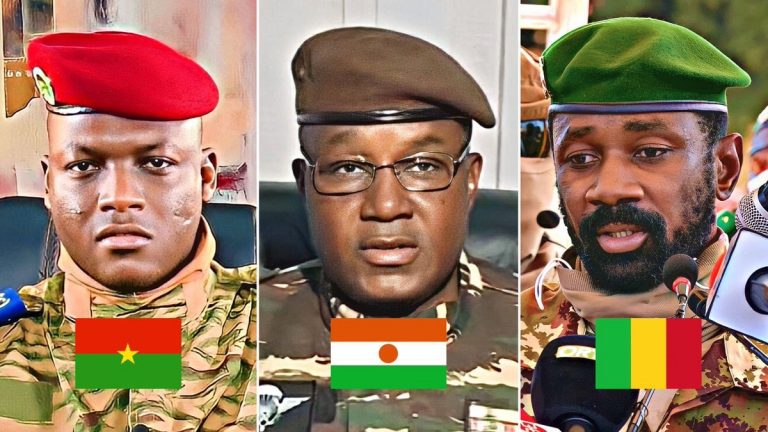
Head of Mali’s military government, Assimi Goïta, Burkina Faso’s Captain Ibrahim Traoré and Niger’s General Abdourahamane Tchiani attended the two-day second summit of the Alliance of Sahel States (AES), which concluded on 23 December.
The Confederal Bank for Investment and Development (BCID-AES), headquartered in Bamako, was formally launched with an initial capital of 500 billion CFA francs (approximately $900m).
The institution aims to finance infrastructure projects, energy initiatives, agricultural modernisation and food security across the three countries, which have a combined population of around 78 million.
Officials described the bank as a means to mobilise domestic resources and reduce dependence on international lenders, such as the World Bank or foreign development institutions. It is seen as a cornerstone of the AES’s economic integration efforts, prioritising “sovereign” development in a region plagued by underinvestment, poverty and climate challenges.

On the same day, the leaders unveiled AES Television, also based in Bamako. The channel is intended to reach audiences across the three countries, promoting unity, accurate narratives about the Sahel and countering what officials term “disinformation” from external media sources.
President Goïta called the broadcaster a strategic tool to “break disinformation campaigns and hostile narratives targeting our states”. It follows the establishment of a joint radio station earlier in the year and forms part of broader efforts to build shared media infrastructure.
Many see the establishment of a major media platform as giant step in reshaping narrative from the region, a move that had been demanded of the ECOWAS region for many years.
The inaugurations took place amidst tight security in the Malian capital, with the leaders often appearing in military attire, reflecting the alliance’s strong defence focus.
Captain Traoré, who assumed the rotating AES presidency from Goïta, vowed to intensify joint military operations against armed groups. He warned of external attempts to destabilise the region, describing a looming “black winter” of threats, violence and economic pressure.
For many, Traore’s statement indicated the direction of the AES’s new push to establish the necessary bureaucratic tools to confront Western economic influences and official narratives.
In January 2024, the trio announced their withdrawal from the Economic Community of West African States (ECOWAS), citing perceived interference and punitive sanctions. By July 2024, they transformed the alliance into a confederation, committing to deeper ties in security, economy and diplomacy.
Recent milestones include the operational launch of a joint military force on 20 December, with plans for around 5,000 troops.The three countries, considered among the world’s poorest in terms of GDP and human development indices, with economies reliant on mining and agriculture, face ongoing humanitarian crises, including millions displaced by conflict.
Supporters of the alliance have hailed the new institutions as steps towards African unity and independence from Western influence, with some dubbing the bank the “bank of sovereignty”.
However, critics and analysts question the feasibility, given economic constraints and potential risks of further regional isolation if ties with ECOWAS weaken.
The summit ended with a joint communiqué reaffirming the “3D” strategy of diplomacy, development and defence. As the AES consolidates, its model of self-sufficiency could influence broader shifts in West African alliances.