
Bamako, Mali
Leaders of the Alliance of Sahel States (AES) have concluded their second summit with a commitment to intensify joint military operations against armed groups, as Burkina Faso’s Captain Ibrahim Traoré assumed the rotating presidency.
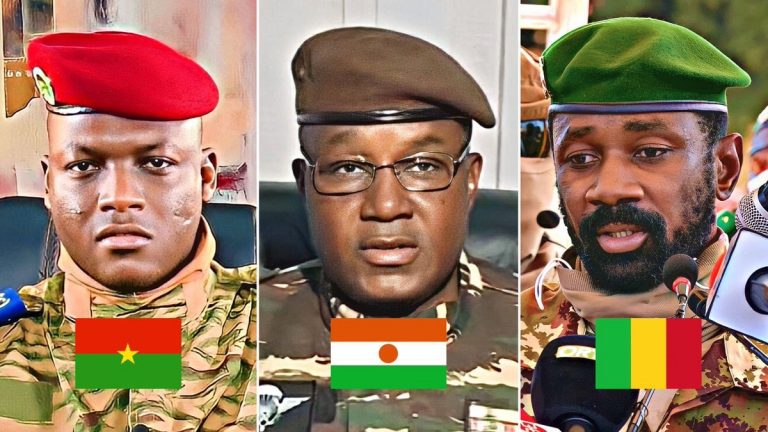
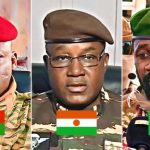
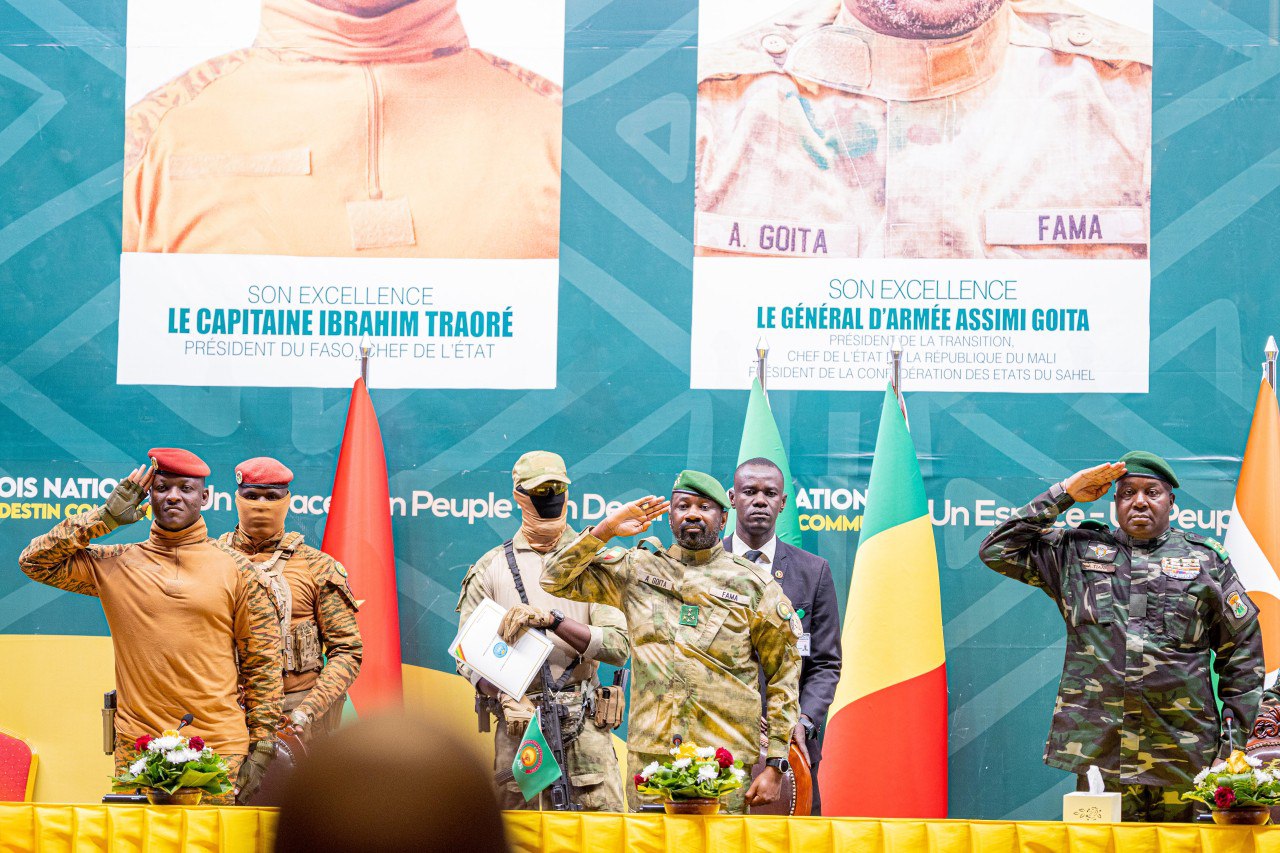
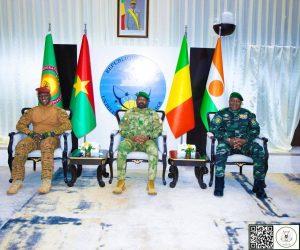
The two-day meeting in Bamako, which ended on 23 December, brought together Mali’s General Assimi Goïta, Niger’s General Abdourahamane Tiani, and Burkina Faso’s Capt. Ibrahim Traoré to address escalating security threats in the region.
Formed in 2023 by the three Sahel states after military coups ousted their civilian governments, the AES has positioned itself as an alternative to the West African bloc, ECOWAS, from which they withdrew, following sanctions and diplomatic tensions.
In a closing ceremony, Goïta handed the presidency to Traoré, who vowed to prioritise “large-scale operations” to combat jihadist insurgents linked to al-Qaeda and Islamic State affiliates.
“The launch of a joint battalion must be followed by actions that secure our shared space,” Traoré said, according to state media. He highlighted the need for self-reliance, urging defence forces, diplomats, and citizens to build a “viable” confederation.
Discussions focused on security coordination, economic integration, and institutional reforms. The leaders inaugurated a new confederal broadcaster based in Bamako to promote unity and counter external narratives.
They also advanced plans for a Confederal Investment and Development Bank (BCID-AES), with an initial capital of 500 billion CFA francs (about $800 million), aimed at funding infrastructure and social projects independently of foreign aid.
Pre-summit ministerial talks between 20 and 21 December reviewed progress on a one-year roadmap, including harmonised diplomatic stances and a unified anti-terrorism force. Officials noted “remarkable results” in reclaiming sovereignty after expelling Western military contingents, such as France’s forces, which departed amidst accusations of neo-colonialism.
The AES, which represents over 70 million people, faces persistent challenges from insurgencies that have displaced millions and killed thousands since 2012. Recent attacks in northern Mali and Burkina Faso reveal the urgency, with Traoré’s administration reporting gains through its military operations though human rights groups have raised concerns over civilian casualties.
Analysts see the summit as a step towards deeper integration, potentially including a common currency or passport, reducing dependence on ECOWAS. However, strained relations with neighbours persist, with ECOWAS lifting some sanctions but regional watchers warning of economic isolation.
Goïta, outgoing president, praised the alliance’s “irreversible paradigm shift” towards endogenous development. Tiani echoed calls for African Union reforms, criticising its focus on Western-style democracy in the midst of post-coup instability.
As Traoré takes the helm, the AES aims to expand cooperation beyond security, eyeing trade and energy ties. Observers note the bloc’s growing alignment with Russia and China, signalling a geopolitical shift in the Sahel.
The summit ended with a joint communiqué reaffirming solidarity, though details on operational timelines remain sparse. With ongoing battles against insurgents and a push to rebuild struggling economies, the leaders’ pledges will be tested in the coming months.