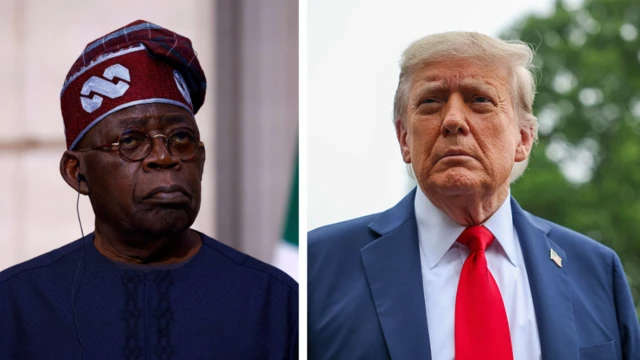


Nigeria’s government has signed a $9 million contract with a Washington-based lobbying firm to promote its efforts in protecting Christian communities, amid growing international scrutiny over alleged religious violence in the country.
The deal, revealed in US Department of Justice filings, comes as U.S. president, Donald Trump’s administration intensifies pressure on Abuja following recent US airstrikes against alleged Islamist militants.
The agreement, effective from 17 December 2025 (with $4.5 million prepaid on December 12), involves DCI Group, a Republican-leaning public affairs firm known for its ties to conservative figures, including veteran political operative Roger Stone, a close ally of Trump.
Signed on behalf of Nigeria’s National Security Adviser (NSA), Nuhu Ribadu, by Aster Legal, a Kaduna-based law firm, the contract stipulates a monthly retainer of $750,000 for an initial six months, with an option to renew for another six, potentially totalling $9 million.
DCI Group is tasked with “communicating Nigeria’s actions to protect Nigerian Christian communities and maintaining US support in countering West African jihadist groups and other destabilising elements,” according to the Foreign Agents Registration Act (Fara) document.
Reports say nine DCI staff members, led by managing member Justin Peterson and senior adviser Doug Davenport, are assigned to the account. The firm will engage in public affairs, government relations, advocacy, and perception management, providing monthly reports on US policy developments and recommendations.
This is one of the largest lobbying deals by an African state in Washington, experts say, highlighting Nigeria’s push to influence US perceptions at a critical juncture.
The move follows heightened US attention on Nigeria’s security challenges, particularly violence in the north and Middle Belt regions, where attacks by groups such as Boko Haram, Islamic State West Africa Province (Iswap), and armed Fulani herders have claimed thousands of lives.
Advocacy groups and some US lawmakers, including Senators Ted Cruz and Representative Riley Moore, have described the situation as a “Christian genocide,” citing disproportionate impacts on Christian communities. These, however, are not corroborated by facts on the ground.
In October 2025, the US redesignated Nigeria as a “Country of Particular Concern” for religious freedom violations. Trump, who returned to office in January 2025, escalated rhetoric in November, threatening to intervene “guns-a-blazing” if the alleged killings of Christians continued, and warning of cuts to US aid.
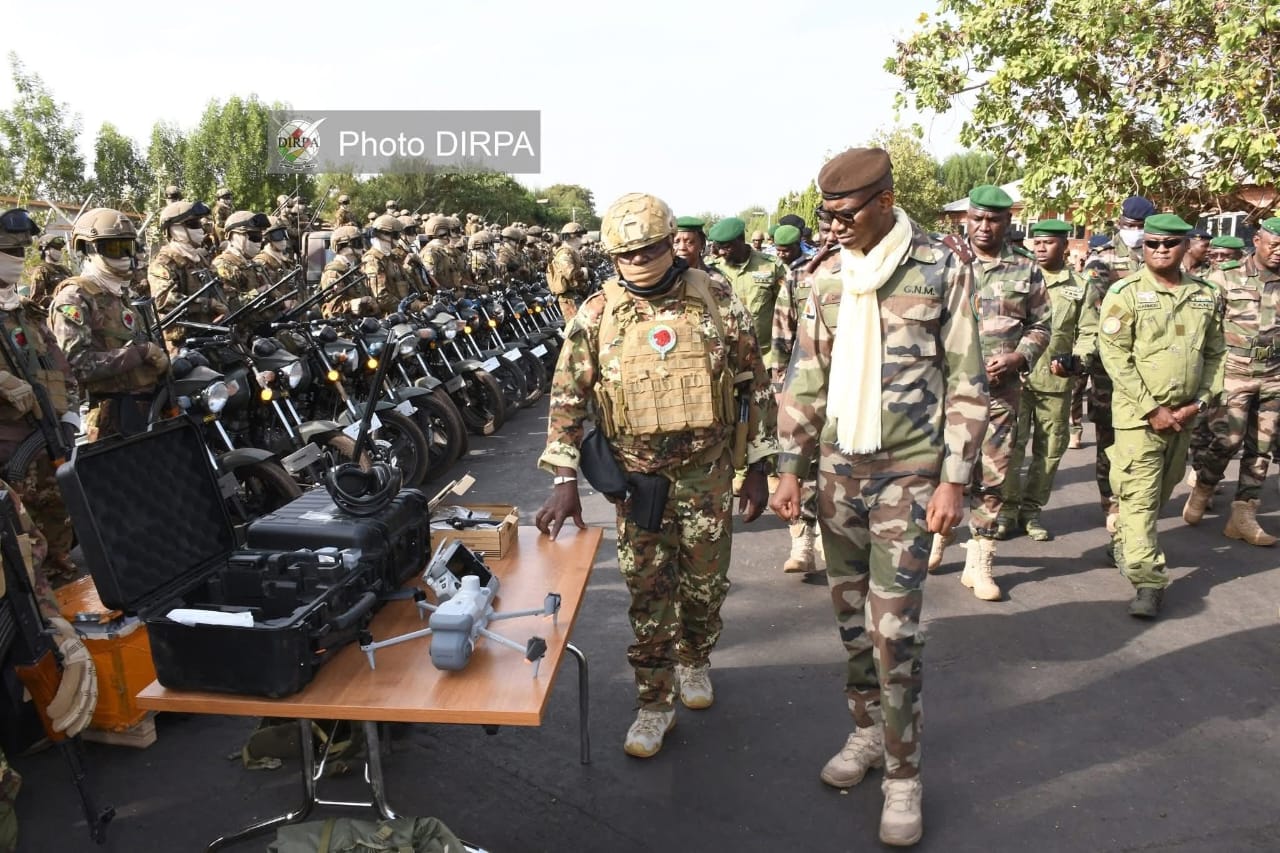
On Christmas Day 2025, US forces conducted airstrikes on Iswap camps in Sokoto state, northwest Nigeria, in coordination with Nigerian authorities, killing dozens of militants. Trump described the action as a response to terrorists “viciously killing, primarily, innocent Christians at levels not seen for many years.”
In a New York Times interview on 9 January, he warned of further strikes if attacks persist, noting that while Muslims are also affected, “it’s mostly Christians.”
However, the “genocide” label is contested. Organisations like Genocide Watch acknowledge severe persecution but attribute much violence to resource conflicts, such as farmer-herder clashes, affecting both Christians and Muslims.
The African Union has rejected genocide claims, emphasising the complex interplay of ethnicity, land disputes, and extremism. Nigerian officials maintain that security forces are actively combating threats, with Mr Ribadu’s office pointing to ongoing operations against insurgents.
Biafran separatist groups, such as the Indigenous People of Biafra (Ipob), have lobbied in the US to amplify the narrative of anti-Christian violence, influencing congressional hearings and Mr Trump’s stance.
Nigeria’s counter-lobbying through DCI Group appears aimed at rebutting these claims, especially as Mr Trump’s administration links foreign aid, Nigeria received $1.6 billion in US health assistance in December 2025, to religious protections.
Domestically, the contract has sparked outrage. Critics argue the funds, equivalent to about 13.5 billion naira, could better equip security forces or aid millions of internally displaced persons (IDPs) amid poverty and insecurity. Opposition figures have questioned the use of a relatively obscure law firm like Aster Legal, raising transparency concerns.
Supporters of the deal, however, view it as essential diplomacy. A source close to the Nigerian government, speaking anonymously, said it counters “misinformation” from separatists and ensures continued US partnership against terrorism.
Analysts warn that without addressing root causes like inequality and governance failures, lobbying alone may not sway opinion. The deal underscores the growing role of private firms in international relations, particularly under Trump’s “America First” approach, where foreign policy increasingly intersects with domestic politics.
Nigeria, Africa’s most populous country, faces multifaceted threats from insurgency, banditry, and communal clashes. With over 100 million Christians, the issue resonates globally, prompting calls for dialogue. The US embassy in Abuja declined to comment on the lobbying contract, but stressed ongoing cooperation on security and human rights.