
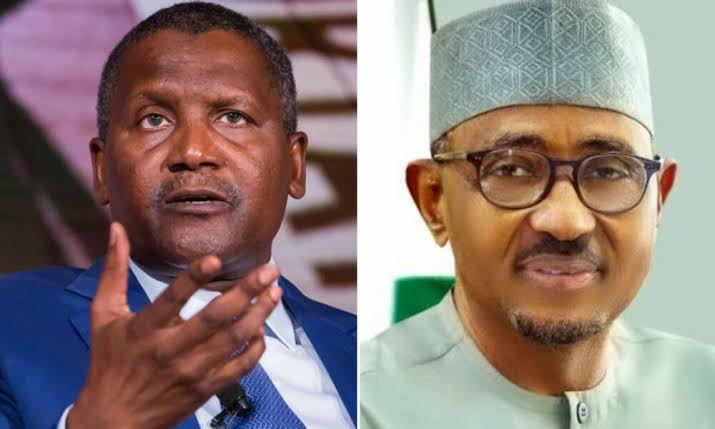
A feud between Nigerian billionaire and Africa’s richest man, Aliko Dangote, and the head of the country’s midstream and downstream petroleum regulatory body, the NMDPRA, Farouk Ahmed, finally resulted in the resignation of the NMDPRA boss and another senior colleague.
The President’s office announced the resignation of both officials in a press release, following allegations by Dangote that Farouk’s leadership amounted to economic sabotage through the continued issuance of import licences for refined fuel and personal expenditures inconsistent with his official income.
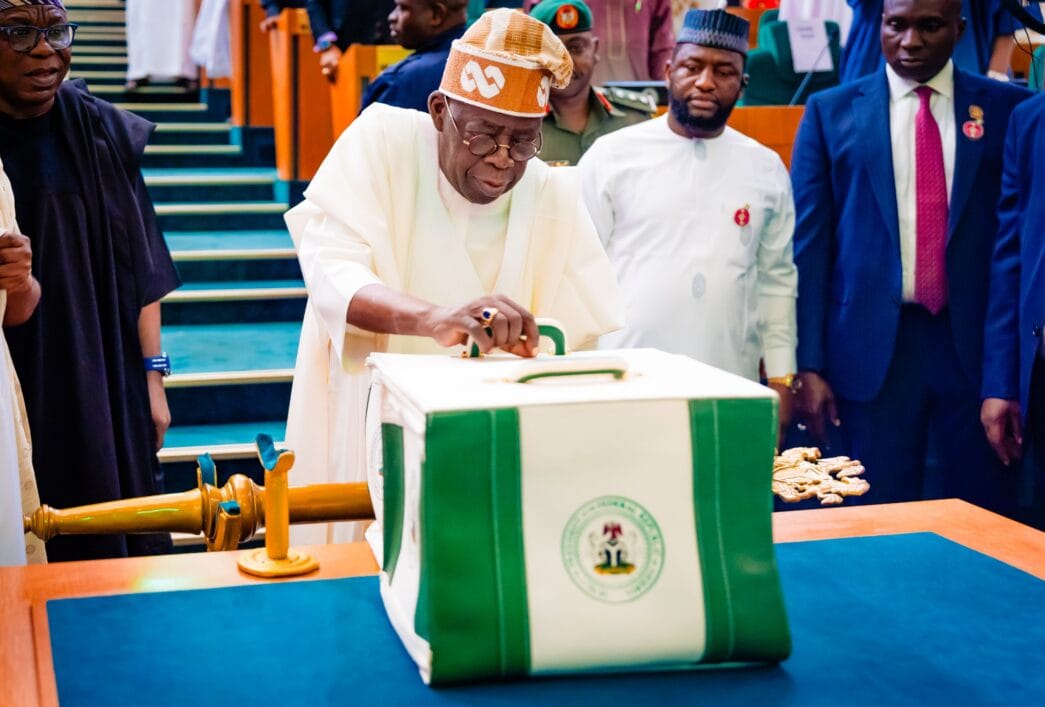
On 17 December, President Bola Tinubu accepted the resignations of Farouk Ahmed as chief executive of the Nigerian Midstream and Downstream Petroleum Regulatory Authority (NMDPRA) and Gbenga Komolafe as head of the Nigerian Upstream Petroleum Regulatory Commission (NUPRC).
The president swiftly nominated replacements, Saidu Aliyu Mohammed for NMDPRA and Oritsemeyiwa Eyesan for NUPRC, and forwarded their names to the Senate for confirmation.
The departures mark the dramatic climax of a prolonged and increasingly acrimonious dispute centred on the $20bn Dangote Petroleum Refinery, the world’s largest single-train facility, which aims to end Nigeria’s reliance on imported fuel.
The tensions first surfaced publicly in July 2024, when Ahmed stated that diesel from the Dangote refinery, then in early production, had higher sulphur content than some imported products, implying substandard quality.
Independent laboratory tests commissioned by the refinery later showed its diesel to be superior, with sulphur levels far below regulatory limits. Dangote accused the NMDPRA of seeking to discredit local refining to protect importers.
As the refinery ramped up petrol production in September, the conflict intensified. The NMDPRA maintained that the plant was not yet fully licensed as a fuel supplier and argued against granting it monopoly status. It stressed on the need for competition and continued imports to ensure supply stability.
Many wondered why the NMDPRA leadership pushed hard to continue imports, even when Dangote insisted that it could meet local demands. Mr Dangote countered that the authority was recklessly issuing import licences, including to traders bringing in cheaper products from Russia and Malta, in spite of domestic capacity now exceeding demand in certain months.
He alleged that vested interests in the lucrative import trade were frustrating local production, costing Nigeria billions in foreign exchange and perpetuating dependence. In one pointed exchange, Dangote invited NMDPRA officials to inspect the refinery’s output; the invitation was reportedly declined.
The dispute eventually turned personal. At a press conference on 15 December, Dangote accused Ahmed of living beyond his means, claiming the regulator had spent more than $5m on secondary education for four children at elite Swiss boarding schools, naming institutions such as Institut Le Rosey and Aiglon College.
He said additional millions were spent on university fees, including a Harvard MBA. Dangote contrasted this with Ahmed’s official salary of around ₦48m annually and called for investigation by the Code of Conduct Bureau and tax authorities.
The insinuation here, many believe, was that there was a possibility of back door payments being received from a cabal that made a lot of money importing fuel, and the NMDPRA boss pushed against Dangote’s refinery to allow the imports to continue.
In a detailed written response dated 16 December, Ahmed described the allegations as requiring context from “three decades of public service”. He confirmed that three children had received substantial merit-based scholarships (40-65% of fees), while his late father’s education trust fund and legitimate savings covered the rest. He welcomed any authorised probe, noting that he submitted full asset declarations annually.
The following day, President Tinubu summoned Mr Ahmed to the Presidential Villa amid mounting pressure, including interventions by the House of Representatives, which had called for legislative action to resolve the standoff.
The resignations were announced shortly afterwards. Expert analyses highlight deeper structural issues in Nigeria’s oil sector. An energy economist argues that continued import licences undermine energy security and forex savings. He notes that full utilisation of the Dangote refinery could eliminate petrol imports entirely, saving an estimated $10-15bn annually.
Others, including some regulatory specialists, caution against over-reliance on a single supplier, warning that monopoly risks could lead to price manipulation if competition is stifled.
Most observers, however, agree that the row exposes lingering influence of import cartels, long associated with subsidy fraud and arbitrage profits. “When regulatory actions frustrate investments that create local capacity and reduce import dependency, they violate the spirit of economic sovereignty,” wrote one commentator.
The simultaneous exit of the NUPRC chief, whose agency handles upstream licensing and crude allocation, suggests a broader reset in petroleum regulation under President Tinubu. The nominees, both seasoned industry professionals with decades at NNPC, are seen as technically strong choices likely to prioritise stability.
For Nigeria, a country that remains Africa’s largest oil producer yet imports a large percentage of its refined fuel, the outcome carries serious implications. Successful resolution could accelerate the shift towards self-sufficiency promised by the 2021 Petroleum Industry Act. Failure risks prolonged uncertainty, deterring further investment in downstream infrastructure.
The Senate is preparing to screen the new appointees. But attention now turns to whether the change in leadership will finally align regulatory oversight with the national goal of ending decades of fuel import dependence.