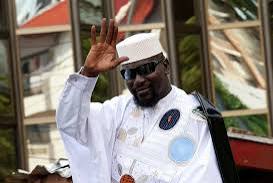
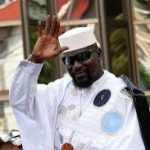
The announcement of military ruler, Mamady Doumbouya, as the substantive winner of the December 28 presidential elections in Guinea has not come as a surprise but it has sparked a serious debate in the region over the use of incumbency as a tool to hold on to power, regardless of public perception.
Provisional results released by the General Directorate of Elections (DGE) on 30 December showed Col Mamady Doumbouya securing 86.72% of valid votes, or 4,594,262 ballots, in the first round. His nearest rival, Abdoulaye Yéro Baldé of the Frondeg party, garnered 6.59%, while Dr Faya Lansana Millimono of the Liberal Bloc took 2.04%. Other candidates, including Hadja Makalé Camara with 1.59%, trailed far behind.
Partial results announced progressively by prefecture and commune revealed Doumbouya dominating nationwide, with scores often exceeding 80-90% in interior regions and varying from 69-98% in Conakry’s communes.
In Conakry districts, he secured over 80% in many areas, results show 97.82% in Kassa, 89.76% in Kaloum, 86.49% in Matam, 78.98% in Dixinn, and lower at around 69% in Ratoma and Sonfonia.
In interior prefectures, leads were even stronger, including 94.72% in Boffa (Boké region), 82.12% in Fria, over 84% in Gaoual and Koundara, 81.97% in Coyah (Kindia), and similarly high margins in Labé, N’Zérékoré, Faranah, and other areas like Gueckedou and Youmou.
The DGE reported a turnout of 80.95% among 6,768,458 registered voters, with 5,297,931 valid votes cast after accounting for 310,520 invalid ballots. Djénabou Touré, the DGE director, announced the figures in Conakry, declaring Doumbouya elected president pending Supreme Court validation.
The vote marked Guinea’s return to the ballot box four years after Doumbouya, then head of special forces, led a coup on 5 September 2021 that ousted long-time President Alpha Condé following protests over his third-term bid.
The junta, the National Committee for Reconciliation and Development (CNRD), suspended the constitution, dissolved parliament, and promised a transition to civilian rule. A new constitution, approved in a September referendum with 85.42% turnout, in spite of opposition boycotts, extended the presidential term to seven years, renewable once.
Doumbouya, running under the Generation for Modernity and Development (GMD) banner, campaigned on infrastructure reforms, anti-corruption drives, and bauxite sector investments, Guinea holds the world’s largest reserves of the aluminium ore.
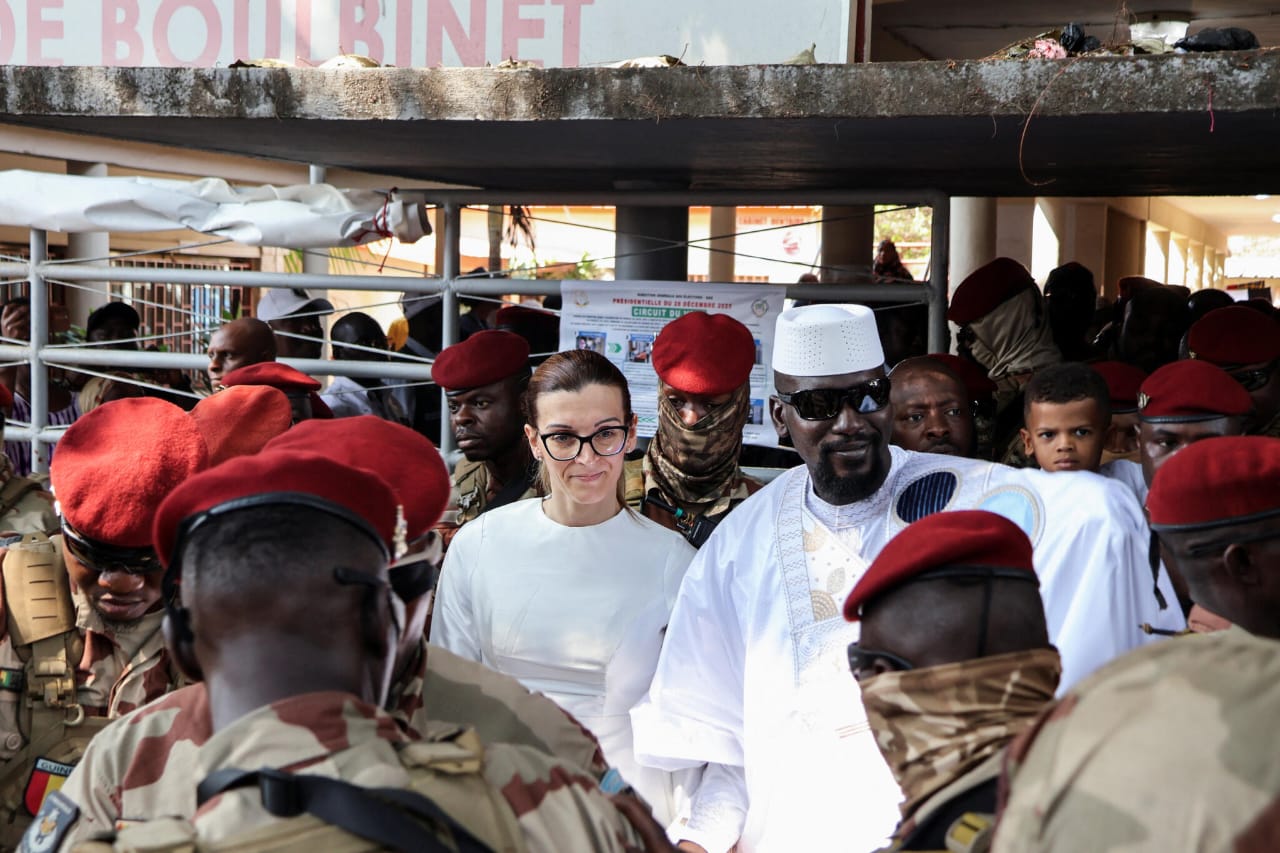
The election unfolded amidst tight security, with 16,730 polling stations operational nationwide and abroad, achieving 98.84% coverage. Partial results from 15 districts, including Conakry municipalities, showed Doumbouya leading early, a trend that continued as counting progressed.
Nine candidates competed, but the field was notably fragmented. Two independents participated, an unprecedented move, while the electoral deposit of 900 million Guinean francs (about $103,000) may have deterred others.
Domestic reactions have been polarised. Opposition groups and civil society have questioned the poll’s credibility, citing the exclusion of prominent figures like former Prime Minister Cellou Dalein Diallo and Sidya Touré, who were barred or in exile.
Reports from some observers highlight intimidation, politically motivated disappearances, and media restrictions during the campaign. One rival conceded early, but wider civil society rejected the vote as illegitimate, pointing to irregularities and social media blackouts on platforms like Facebook and YouTube as results emerged.
Commentaries on social media platforms describe the outcome as a foregone conclusion, with some analysts noting the junta’s control over state resources gave Doumbouya an unassailable edge.
Internationally, the Economic Community of West African States (ECOWAS) and African Union (AU) deployed observers. ECOWAS head, Dr Abdoulie Janneh, met with transition officials and civil actors days before the vote to urge transparency.
Post-coup sanctions from both bodies could be lifted if the transition is deemed credible, paving the way for Guinea’s reintegration. The UN has warned of risks to stability, echoing concerns from Amnesty International about human rights curbs.
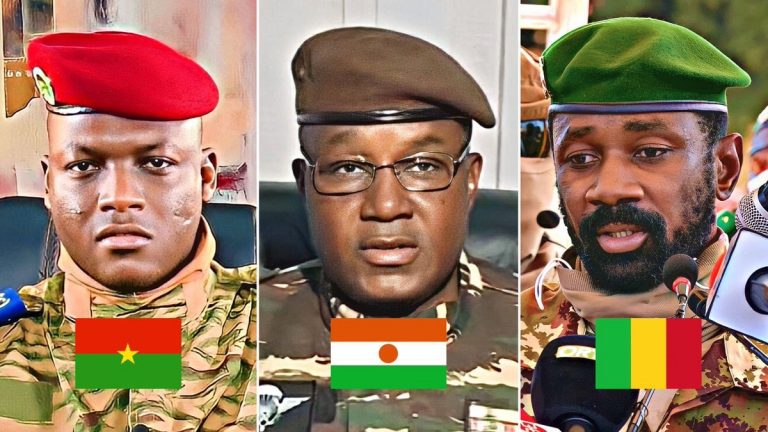
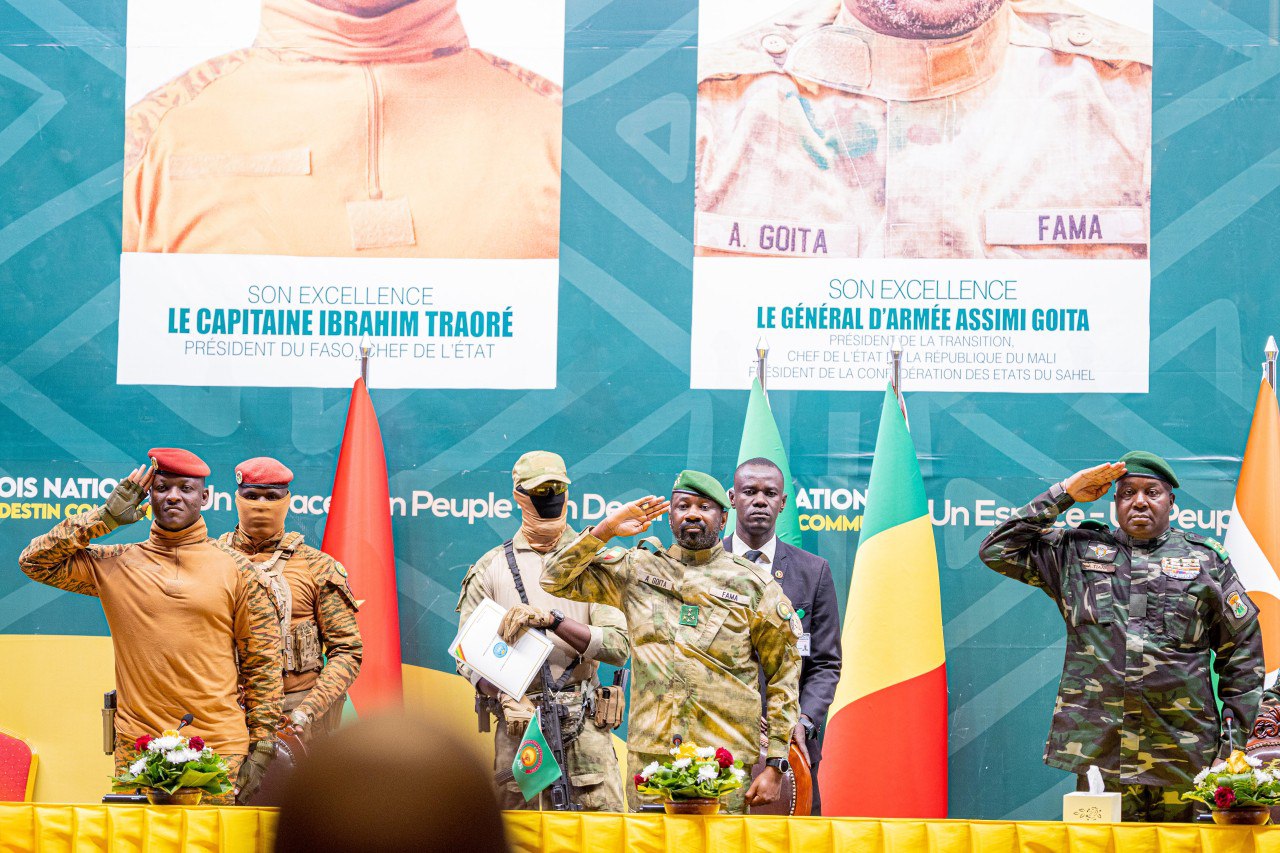
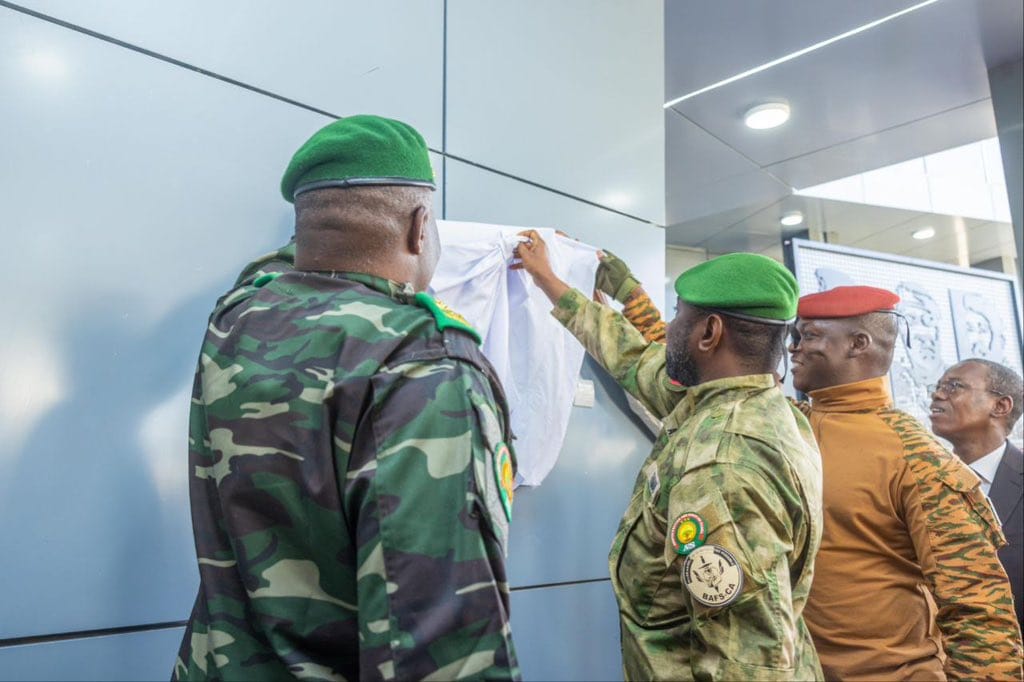
Doumbouya’s landslide victory underscores a regional pattern in West Africa, where military leaders have delayed or manipulated transitions to entrench power. Doumbouya’s win, while stabilising in the short term, raises questions about genuine democratisation. Supporters argue his reforms, including road projects and bauxite deals, address poverty affecting over half of Guinea’s 13 million people.
Critics, however, see it as a betrayal of the 2021 coup’s anti-corruption ethos, with incumbency advantages, state media dominance and opposition suppression, tilting the scales.
As Guinea awaits Supreme Court confirmation, the focus shifts to post-election stability. Protests remain a risk if grievances fester, but high turnout suggests public buy-in to the process.
Regionally, this fuels debate on ECOWAS’s effectiveness in enforcing democratic norms against a wave of coups. For Guinea, the challenge is balancing military legacies with inclusive governance to harness its mineral wealth for equitable growth.