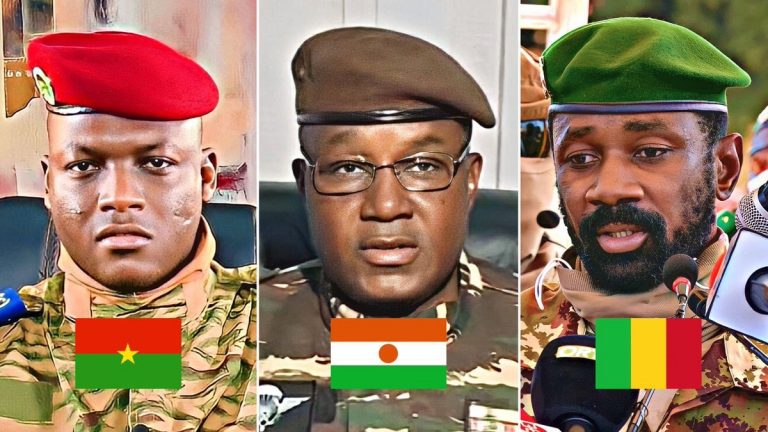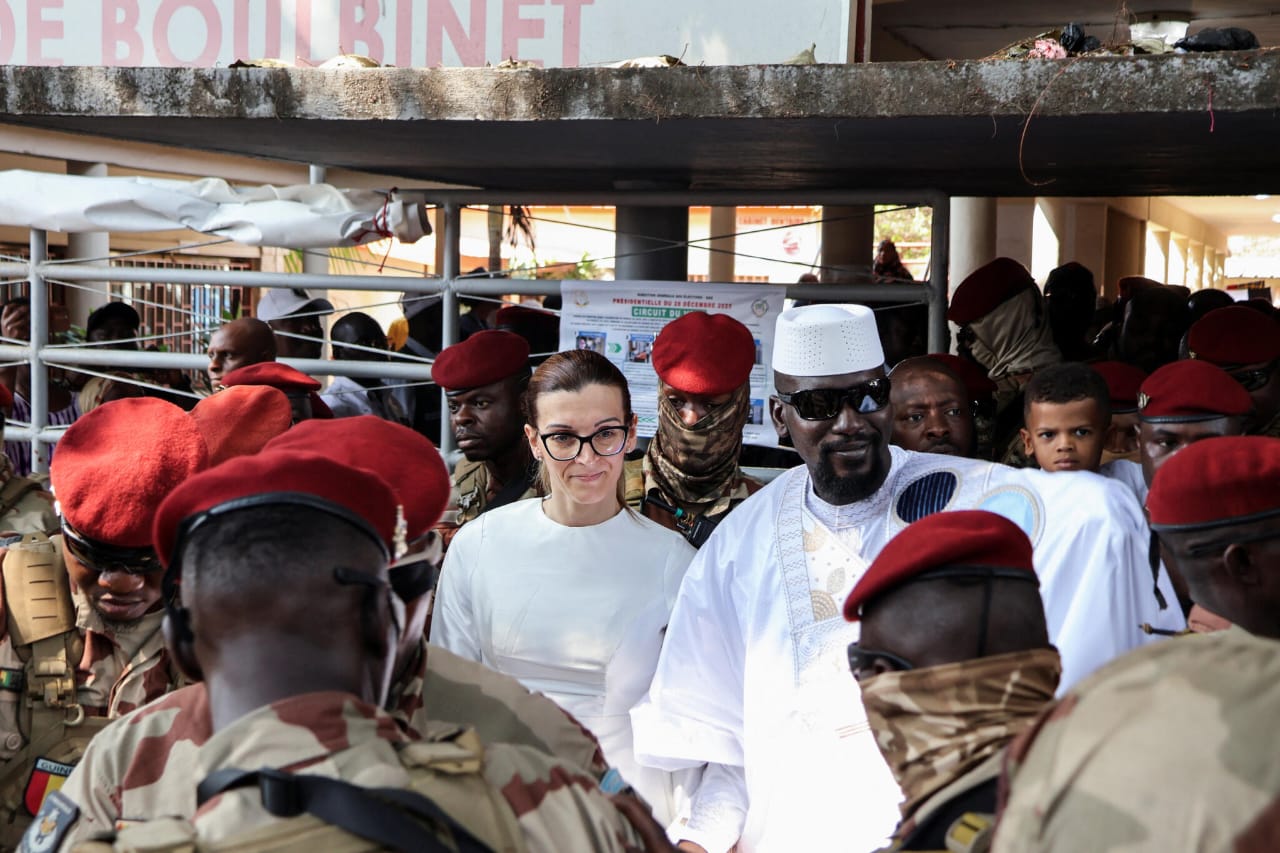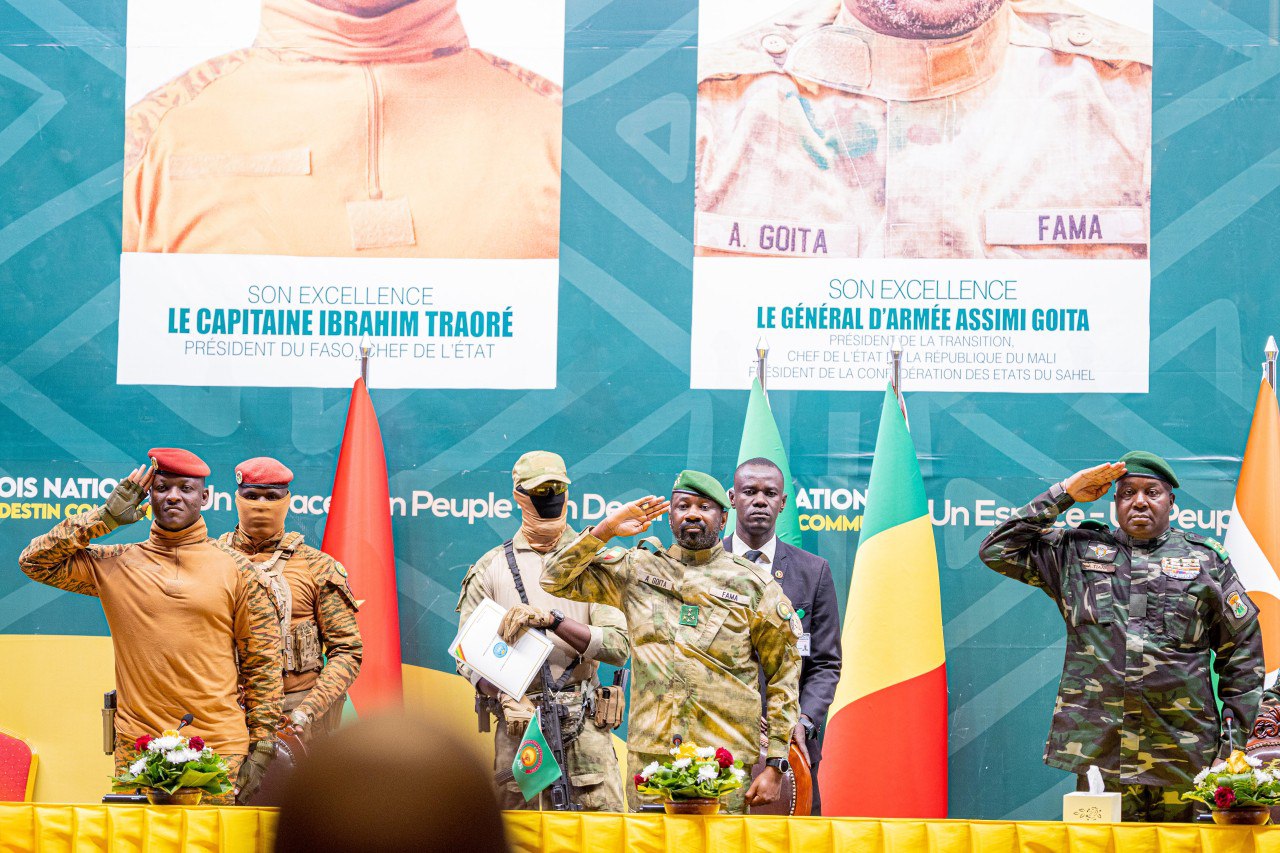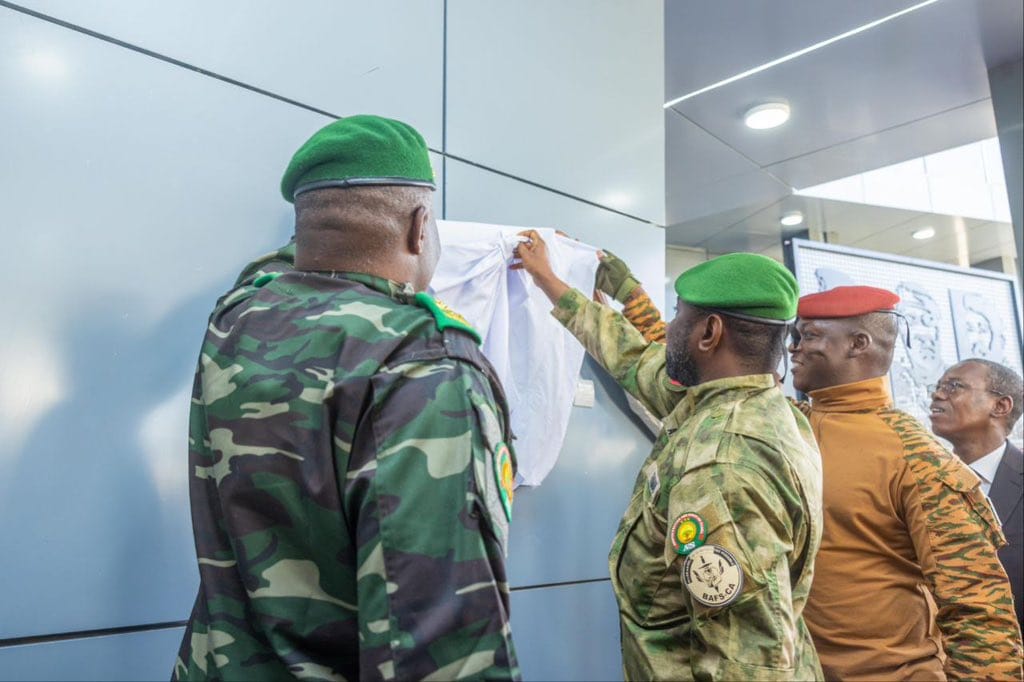
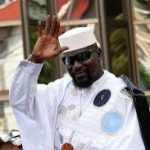
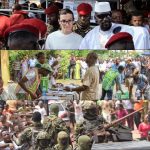
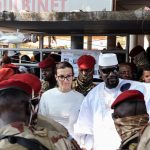
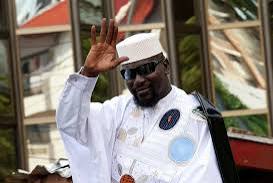
Mamadi Doumbouya’s ascension to Guinea’s presidency represents a major shift in Guinea’s political space. The former coup leader has been transformed into a civilian head of state after a landslide victory in the December 28, 2025 election.
With 86.72 percent of the vote, he now embarks on a seven-year term under a new constitution he championed, promising economic revival through projects like the Simandou iron ore mine.
The transition from military junta to elected office, however, raises serious questions about Guinea’s future. Many question if Doumbouya can bridge the country’s deep divisions, or whether entrenched challenges from opposition forces and his military roots will unravel his mandate.
The opposition landscape presents immediate hurdles. Major figures like Cellou Dalein Diallo remain in exile, barred from contesting under the new charter that extended terms and lifted restrictions on military candidates. This exclusion led to boycott calls and accusations of an “electoral charade,” with civil society groups decrying voter intimidation, ballot stuffing, and heavy restrictions on the media.
United Nations human rights chief, Volker Türk, highlighted a restricted campaign period marked by intimidation of opposition actors, apparently politically-motivated enforced disappearances, and constraints on media freedom.
While some candidates conceded, others, like runner-up Abdoulaye Yéro Baldé (who received around 6.5–6.6%), initially considered legal challenges, which he later withdrew, indicating potential court battles or street protests.
Guinea’s history of volatile politics suggests that sidelined voices could regroup, especially if economic gains fail to materialise. It must be considered, however, that a fragmented opposition, over 50 parties dissolved under Doumbouya’s watch, might struggle to mount a unified front, allowing him breathing room to consolidate power.
Equally daunting are tensions within the military, Doumbouya’s former power base. As a special forces commander who ousted Alpha Condé in 2021, he drew initial acclaim for vowing a swift return to civilian rule. But his reversal, extending the transition and running himself, echoes Condé’s authoritarian playbook, raising serious questions about his legitimacy.
Internal divisions persist. The June 2024 death in detention of junta heavyweight General Sadiba Koulibaly, convicted of desertion, underscores rivalries and volatility. Analysts warn that marginalising regular army units while favouring loyalists could breed resentment, potentially sparking another coup from within a “still-divided military.”
This threat looms larger if Doumbouya’s civilian facade crumbles under governance failures. This, however, overlooks his popularity among youth and special forces veterans, who view him as a stabiliser advancing mining deals with China and others.
If he delivers on infrastructure and jobs, he might neutralise internal dissent by spreading wealth amongst Guineans. Economic imperatives add some complexity. Guinea boasts vast bauxite and iron ore reserves, yet over half its population endures poverty and food insecurity.
Doumbouya’s “Simandou 2040” vision promises broad development, but corruption, which many say is synonymous with regional governance, could perpetuate inequality, creating “islands of prosperity” around mines while alienating the masses.
International scrutiny from ECOWAS and the African Union, which suspended Guinea post-coup, will intensify if reforms stall. Some experts see potential for democratic progress if Doumbouya builds institutions and curbs graft. Others predict continued repression, doubting a softening of his hardline stance.
In reflecting on Doumbouya’s journey, his mandate could foster unity if he engages beyond military circles, addressing grievances through dialogue and transparency. Alternatively, clinging to power in the midst of divisions might invite the very instability he once pledged to end.
Guinea’s road ahead demands not just electoral victories, but genuine reconciliation, a test of whether Doumbouya evolves from soldier to statesman, or repeats the cycle of autocracy that has long plagued the country.